
Qi Gong, Tai Chi & Embodied Movement
Movement
The flow of life expressed through the body
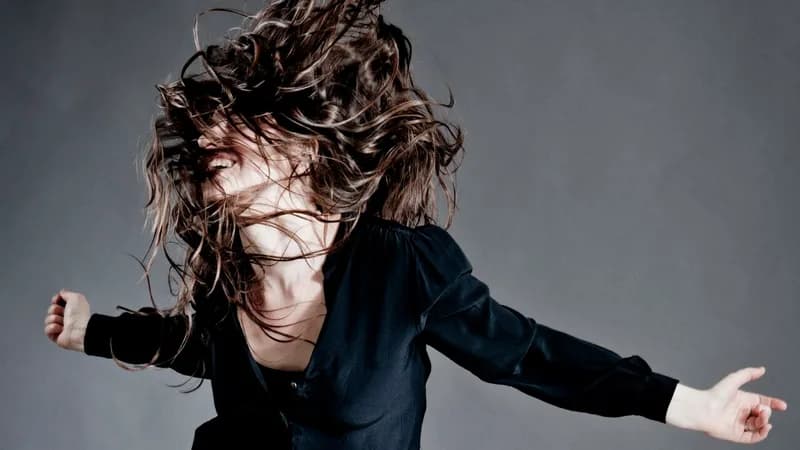
The flow of life expressed through the body - shaping energy, awareness, and connection. Movement is more than physical action; it is a language of transformation that integrates strength, agility, and emotion. Through movement we release, create, and evolve.
Intelligence is stored in the body, and to move is to think differently. Through practices from ancient qigong to authentic movement, we develop physical and adaptive intelligence - processing complexity through the body, not just the head.
Science Foundations & Lineages
Draws on Embodied Cognition, Laban Movement Analysis, Somatic Psychology, and Neuroscience of motor learning. Informed by Taoist and Qi-based traditions and contemporary dance-movement therapy research.
Intelligences Activated
Example Modalities & Methods
Questions about Movement
What is embodied movement practice?
Embodied movement practice uses movement as a way of thinking and sensing: noticing how the body organizes itself and processing experience through motion. It spans ancient practices like qigong and tai chi as well as contemporary forms like 5Rhythms and authentic movement.
What are the benefits of qigong and tai chi for executives?
Both train relaxed focus, balance and the ability to return to a centered state on purpose, which carries straight into how a person meets pressure. They need no equipment, scale from ten minutes a day, and are well suited to people whose work keeps them mostly in their heads.
What is 5Rhythms?
5Rhythms is a movement meditation practice created by Gabrielle Roth that moves through five rhythms (flowing, staccato, chaos, lyrical and stillness). Participants dance without set steps, using the rhythms as a map for releasing tension and coming into presence.
Facilitators for Movement

Hear first when a new facilitator, protocol or gathering in Movement opens.